The Auto Trade Is Begging Trump: Don’t Let Chinese language Carmakers Into the U.S. Market : Automotive Addicts
Automotive
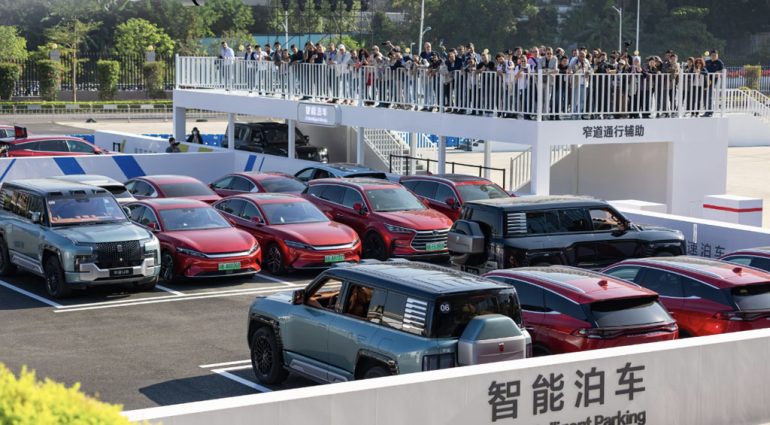
As President Trump heads into high-stakes talks with Chinese language President Xi Jinping, the American auto business and lawmakers from each events are delivering an unusually unified message to the White Home: please don’t open the door to Chinese language automobiles. The priority isn’t hypothetical. It stems instantly from feedback Trump made in January on the Detroit Financial Membership, the place he mentioned it might be “nice” if Chinese language automakers wished to construct vegetation within the U.S. and rent Individuals. That single assertion despatched shockwaves by an business that has spent years lobbying for powerful tariffs and information safety guidelines particularly designed to maintain Chinese language automobiles off American soil.
Bipartisan Laws Goals to Lock the Door on Chinese language Automobiles
The political response has been swift and uncommon in its cross-party cooperation. Democratic Senator Elissa Slotkin of Michigan and Republican Senator Bernie Moreno of Ohio are pushing the Linked Car Safety Act, which might formally codify the information safety rule that successfully banned Chinese language automobiles beneath the Biden administration. By writing it into legislation, the invoice would make any future reversal extraordinarily tough no matter who occupies the White Home. A companion invoice within the Home goes even additional, proposing to ban enterprise partnerships between U.S. firms and Chinese language automakers completely. Congressional aides say the laws has broad sufficient assist that it may cross this 12 months, doubtlessly hooked up to a transportation spending invoice. Greater than 70 Home Democrats and over 50 Home Republicans not too long ago signed letters urging Trump to not enable Chinese language automakers any foothold within the American market.
Why Lawmakers Say Chinese language Vehicles Are a Nationwide Safety Danger
The argument isn’t purely financial. Supporters of the ban level to the information assortment capabilities constructed into trendy automobiles as a severe nationwide safety concern. Each linked automobile on the street is capturing real-time data on location, motion, passengers, and surrounding infrastructure. The worry is that Chinese language-brand automobiles or elements may funnel that information again to the Chinese language authorities. It’s the identical logic that drove the crackdown on Huawei in telecommunications, and lawmakers say the stakes in automotive are simply as excessive.
The U.S. Auto Trade Stands United In opposition to Chinese language Competitors
What makes this second uncommon is the diploma of business consensus. Teams representing American and foreign-brand automakers, dealerships, components producers, and metal producers have all lined up behind the ban, calling China’s push to dominate international auto manufacturing a direct risk to American competitiveness and nationwide safety. Even the Info Know-how and Innovation Basis, a suppose tank that has traditionally criticized Trump’s tariffs on Chinese language imports, applauded the laws. The group’s vice chairman Stephen Ezell put it bluntly, arguing that Chinese language EV makers will not be regular market opponents however the product of a long time of state-backed technique designed to seize international management in superior manufacturing. As soon as these sponsored corporations are embedded within the U.S. market, he warned, the injury can be extraordinarily tough to undo.
Chinese language Automakers Are Already Gaining Floor in Europe and Mexico
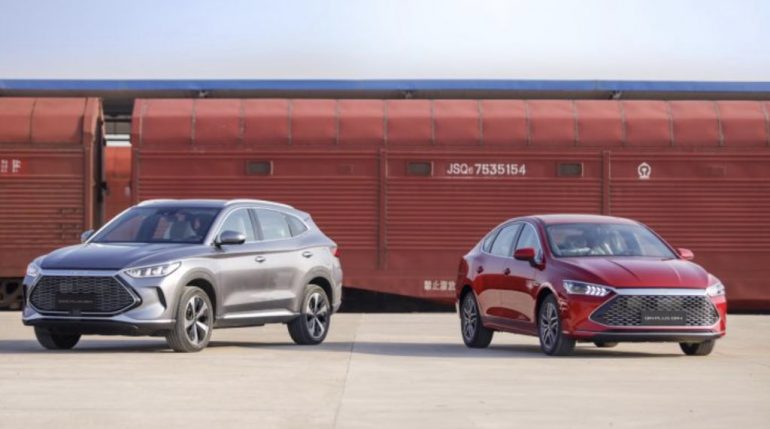
The business’s urgency is backed up by what’s already occurring in markets the place Chinese language manufacturers have been allowed to compete. In Europe, Chinese language automakers doubled their market share to six% final 12 months, reaching 14% in Norway, 11% in Britain, 9% in Italy, and 9% in Spain. In Mexico, 34 Chinese language auto manufacturers at the moment are on sale and collectively maintain about 15% of the market. Canada has begun importing roughly 49,000 Chinese language EVs yearly. The pricing is the important thing weapon. Geely’s EX2 EV begins at round $22,700 in Mexico, which remains to be far beneath the most cost effective Tesla Mannequin 3 accessible within the U.S. at $38,630. Even Toyota, which disrupted Detroit’s dominance within the Eighties and Nineteen Nineties, is struggling to compete with Chinese language pricing within the Mexican market. Toyota Motor North America division supervisor David Christ acknowledged the apparent: costs that low solely work with important authorities assist behind them.
A $51,000 Common Car Value Makes the U.S. Market Particularly Susceptible
The affordability disaster already going through American automobile patrons makes the timing significantly delicate. Kelley Blue Ebook estimates the typical car checklist value within the U.S. now exceeds $51,000, placing new automobile possession out of attain for a rising variety of customers. A Chinese language EV coming in at $22,000 or $25,000 wouldn’t simply compete on value; it might fill a niche the home business has largely deserted. That’s the state of affairs automakers, suppliers, and union employees are determined to forestall, and it explains why the lobbying strain heading into the Trump-Xi summit has been so intense.
What Occurs Subsequent May Outline U.S. Auto Manufacturing for a Technology
For now, U.S. Commerce Consultant Jamieson Greer and Commerce Secretary Howard Lutnick have each mentioned publicly that autos will not be on the summit agenda and that Chinese language funding within the U.S. auto sector is off the desk. However business observers aren’t totally relaxed. Trump has a observe report of creating unilateral strikes on commerce, and his previous feedback about welcoming Chinese language manufacturing facility funding go away sufficient ambiguity to maintain the business on edge. Any plant authorized at present would take two to 3 years to start manufacturing, which means the results would land squarely on whoever comes subsequent. That’s a legacy the American auto business, its employees, and a uncommon coalition of lawmakers on each side of the aisle are decided to forestall.

Lloyd Tobias is a seasoned automotive journalist and passionate fanatic with over 15 years of expertise immersed on the earth of automobiles. Whether or not it’s exploring the newest developments in automotive know-how or maintaining an in depth pulse on breaking business information, Lloyd brings a pointy perspective and a deep appreciation for all issues automotive. His writing blends technical perception with real-world enthusiasm, making his contributions each informative and interesting for readers who share his love for the drive. When he’s not behind the keyboard or beneath the hood, Lloyd enjoys check driving the most recent fashions and staying forward of the curve in an ever-evolving automotive panorama.