
Ford F-150 Overland Capability: What Truly Issues When You’re Packing for the Backcountry! : Automotive Addicts

Automotive
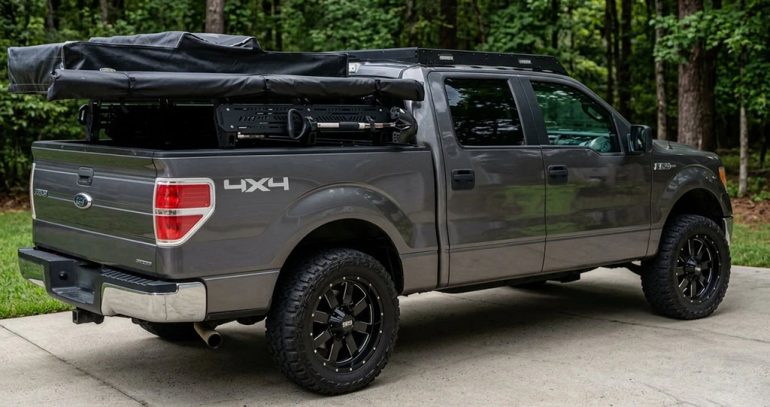
Overland Builds Stay and Die by How Properly You Use Your Roof
Ask ten F-150 homeowners what “overland prepared” means and also you’ll get ten totally different solutions. Greater tires. A winch. A rooftop tent. However speak to anybody who’s really spent per week off-grid and the dialog at all times circles again to the identical drawback: the place does every part go?
The mattress fills up quick. Restoration boards, gasoline cans, a fridge, water jugs, instruments — by the point you’re carried out, there’s barely room for a duffel bag. That’s the actual ceiling on overland capability for many vehicles, F-150 included. It’s not horsepower or floor clearance. It’s cargo actual property.
A number of issues price figuring out earlier than you begin constructing:
- Payload will get eaten up faster than individuals anticipate. Add a cover, a drawer system, and two individuals’s price of substances, and a 1,900-lb payload score can shrink to a couple hundred kilos of usable margin quick.
- Weight placement issues greater than complete weight. Heavy objects (batteries, water, instruments) belong low and centered. Cumbersome, lighter objects (tents, chairs, awnings) are higher off the roof.
- The mattress and the roof aren’t interchangeable. Deal with them as two separate storage budgets, not one huge pile of house.
That’s the entire argument for shifting gear up high. It’s not about trying rugged. It’s about releasing up the mattress for the stuff that truly wants to sit down low.
The place Overland Builds Truly Go Fallacious
Most rack failures don’t occur as a result of somebody purchased unhealthy gear. They occur as a result of two respectable items of substances had been by no means designed to work collectively.
A typical mistake: bolting a rooftop tent onto crossbars rated for a light-weight bar and perhaps a kayak. That mixture may survive the driveway. It won’t survive a rutted forest street at 40 mph with 130 lbs of tent flexing towards 4 small mounting factors.
Earlier than shopping for something roof-mounted, verify three numbers:
- Static load score — what the rack holds whereas parked (tent, awning, camp setup)
- Dynamic load score — what it may possibly safely carry whereas the truck is shifting
- Mounting level distribution — whether or not weight spreads throughout the roofline or concentrates on a handful of bolts
This is the reason plenty of critical builds skip the manufacturing unit crossbars fully and go straight to a platform-style rack. For F-150 and Raptor homeowners operating the SuperCrew cab, the Hooke Street roof rack is without doubt one of the extra frequent upgrades for precisely this purpose — a low-profile metal platform that mounts by the manufacturing unit drip rail factors and spreads load throughout the entire roof construction as a substitute of some stress factors. That distribution is the distinction between a rack that holds up over years of washboard roads and one which begins creaking after a season.
Matching the Setup to the Precise Journey
Not each journey wants the identical rooftop load-out, and it’s price being sincere about that earlier than spending cash.
A weekend journey often wants:
- A primary cargo basket
- Two traction boards strapped flat
- Possibly a cargo bag for tender items
A multi-week expedition often wants:
- A rooftop tent (usually 120–150 lbs earlier than bedding)
- A photo voltaic panel or two
- An awning
- Restoration gear that didn’t match within the mattress
The tent weight alone is why dynamic load score issues a lot — a rack rated for 150 lbs static however solely 75 lbs dynamic will maintain a tent wonderful whereas parked after which bounce that very same tent free on a tough street.
A number of tradeoffs no person mentions till they’ve lived with them:
- Gas economic system drops. A loaded roof rack modifications the truck’s aerodynamics noticeably — anticipate an actual hit on the freeway, not only a rumor of 1.
- Wind noise will increase, particularly with a rooftop tent or basket up high.
- Dealing with modifications in crosswinds. Maintaining gear centered and low on the platform helps, however it gained’t disappear fully.
None of those are dealbreakers. They’re simply planning inputs — particularly for longer routes the place fuel stations skinny out.
Set up Is The place A lot of the Lengthy-Time period Issues Begin
A rack is simply nearly as good because the bolt torque holding it on. The problems that present up months later — squeaks, leaks, a rack that shifts slightly below load — virtually at all times hint again to put in day:
- Bolts torqued inconsistently or cross-threaded
- Weatherstripping skipped or pinched throughout mounting
- Wiring for rooftop lights run after the rack’s already bolted down, as a substitute of earlier than
None of that is difficult, however it’s simple to hurry by on a Saturday afternoon once you simply need the tent on and the truck packed. Price slowing down for. In the event you’re doing the set up your self, it’s price studying by extra suggestions on torque specs and customary mounting errors earlier than the primary bolt goes in — the form of factor that’s apparent in hindsight and costly to study on the street.
The F-150 has earned its status as a strong overland platform, however the engine and suspension get a lot of the credit score whereas the roof rack does a lot of the precise work. Get that piece proper, and the remainder of the construct tends to fall into place by itself.

Automotive Addicts Contributors are a collective of visitor writers, trade professionals, and passionate fans who carry recent views to the Automotive Addicts platform. Centered on delivering well timed information, in-depth opinions, and distinctive insights, these contributors assist maintain the positioning dynamic and interesting. Many use the platform to increase their attain and construct credibility inside the automotive media world, including depth and selection to the content material that drives the Automotive Addicts group.


