
Automotive Accidents And not using a Clear Trigger: What Drivers Ought to Know : Automotive Addicts

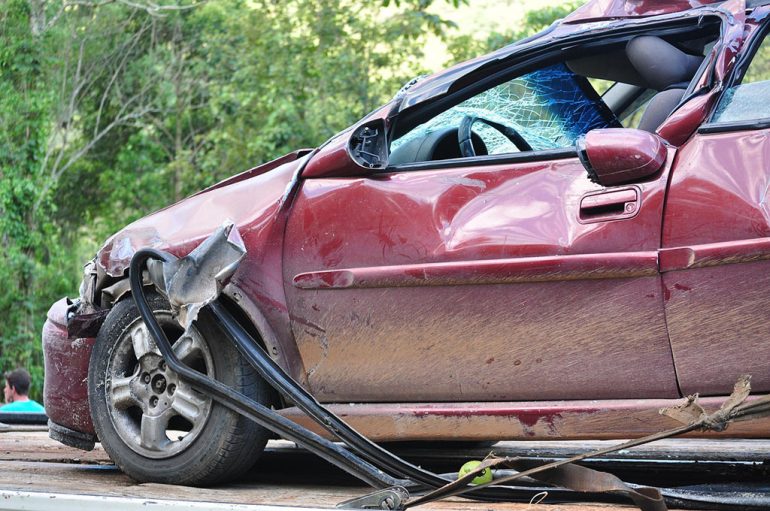
Rush hour, rain coming down in sheets, brake lights flashing in a wave. One driver slows for a merge. The automobile behind faucets their bumper. A 3rd car clips the primary whereas swerving. Everybody steps out, pointing fingers, completely satisfied they did nothing incorrect.
These moments occur consistently on American roads. Not each crash has a villain. But somebody nonetheless finally ends up paying for dented fenders, sore necks, and rising insurance coverage premiums.
Understanding “No One at Fault” Crashes
Two vehicles enter a moist intersection on the identical time. Each drivers suppose that they had the inexperienced. No telephones, no rushing, however they nonetheless collide and stroll away confused about who prompted it.
Not each crash has a transparent villain. Glare, dangerous timing, blocked views, and split-second choices can overlap and result in an accident the place each drivers really feel they did nothing incorrect. Conditions that appear like a no fault automobile accident normally come from small components stacking collectively:
- Poor visibility for the time being of entry;
- Each drivers reacting on the identical time;
- Slippery or low-grip street surfaces;
- Visitors alerts or indicators partly obscured;
- Sudden modifications in site visitors circulation.
Due to this, what feels truthful on the scene usually doesn’t match the insurance coverage end result. Adjusters depend on experiences, images, and bodily proof, and plenty of drivers later be taught they share a part of the blame.
This information covers sensible steps for dealing with these unclear-fault crashes. It’s basic data, not authorized recommendation.
Why Fault Isn’t At all times Apparent After a Crash
Visitors is heavier and quicker than ever, and small errors stack up shortly. Break up-second reactions, restricted visibility, and crowded roads create conditions the place blame isn’t apparent, and duty turns into a grey space.
Multiple driver can share fault, and percentages instantly have an effect on how a lot compensation somebody can obtain. Even with no ticket, insurers can nonetheless assign partial blame, so a clear police report doesn’t mechanically imply you may be thought of innocent.
Frequent Actual-World Situations The place No One Feels at Fault
Drivers usually go away crashes satisfied they did all the pieces proper. Each drivers could keep calm on the scene, change particulars politely, and nonetheless find yourself arguing for weeks by insurance coverage adjusters about who pays.
Under are widespread conditions that really feel innocent however nonetheless result in fault investigations. Insurers give attention to small bodily particulars, timing, and driver choices. What appears apparent on the scene hardly ever stays that easy later:
- Skid marks and stopping distance;
- Level of impression on every car;
- Climate and street floor circumstances;
- Driver velocity relative to visibility.
These components usually matter greater than what both driver remembers.
Chain-Response Visitors Pileups
Three vehicles in stop-and-go site visitors. The primary brakes arduous. The second stops in time. The third doesn’t and pushes the center automobile ahead.
The rear driver is normally blamed most. However the center driver can share fault in the event that they adopted too carefully. Investigators take a look at impression angles, car harm, and braking proof.
Unhealthy climate hardly ever removes fault. It usually spreads it. Drivers who left extra space normally present lighter harm and shorter skid marks, which may cut back their share of blame.
Sudden Street Hazards And Particles
A truck drops particles. You swerve and hit one other automobile. The truck disappears.
Drivers are nonetheless anticipated to remain in management. Swerving into one other car usually means partial legal responsibility. If the particles supply is recognized, they might carry extra blame. More often than not, they aren’t discovered.
Adjusters examine velocity, response distance, and street format. A pointy high-speed swerve appears to be like much less affordable than a managed maneuver.
Climate, Visibility, And Low-Grip Circumstances
Fog, rain, ice, or glare usually flip routine driving right into a judgment name. Even with out rushing, drivers may be blamed for shifting too quick for the circumstances.
In these circumstances, investigators normally give attention to how drivers adjusted their habits for the setting:
- Decreased velocity earlier than coming into intersections;
- Additional following distance in low visibility;
- Use of headlights or hazard lights;
- Indicators of braking earlier than impression;
- Lane place and steering management.
When each drivers had restricted time to react, the fault could also be break up. Cautious driving in poor climate usually exhibits in lighter harm patterns and shorter braking distances.
What To Do Instantly After An Unclear-Fault Crash
The primary half hour after a crash usually finally ends up being extra vital than folks suppose. What you handle to say and seize on the scene can matter greater than no matter you attempt to recall days later. Care for security first, then begin gathering the fundamental particulars.
Scene Security, Well being, And First Calls
Earlier than speaking about blame, make the realm protected. Verify your self and passengers for accidents. Some signs present up later, so don’t ignore how you’re feeling. Activate hazard lights and transfer autos provided that site visitors makes it harmful to remain the place you’re.
If anybody feels ache or vehicles block the street, name emergency companies. A police report turns into key proof later. Even minor crashes can result in delayed signs, so don’t assume you’re advantageous simply since you’re standing.
When stress is excessive, a easy guidelines helps you keep targeted:
- Name emergency companies if anybody experiences ache;
- Transfer autos provided that site visitors creates hazard;
- Activate hazard lights as quickly as potential;
- Trade license and insurance coverage particulars calmly;
- {Photograph} all sides of each car concerned.
As soon as these fundamentals are dealt with, you may think about documenting the scene correctly.
Gathering Proof With out Arguing Fault
Roadside debates are a waste of breath. Individuals combine up particulars 5 minutes later, even after they swear they received’t.
Seize what the scene provides you whereas it’s nonetheless there. Just a few vast images first, so you may see lanes and the place the vehicles ended up. Then close-ups of harm, plates, and insurance coverage playing cards. If there’s a light-weight or cease signal concerned, shoot that too. Similar with skid marks, odd street paint, particles.
If somebody noticed it from the sidewalk or one other automobile, ask for a quantity. “Can I textual content you later for what you noticed?” works. Hold it boring. No blame speak. And yeah, don’t throw out an enormous “I’m sorry” if it sounds such as you prompted it.
Speaking To Your Personal Insurer
Inform your insurer early, even if you happen to really feel you probably did nothing incorrect. Simply give the clear model: the place, when, climate, which lane, what you truly noticed. If you happen to’re not sure the way it began, say precisely that. They’ll type fault from images, statements, and experiences. Not from whoever sounded louder on the scene.
Conclusion
Some crashes are messy. No film villain, simply dangerous timing and too many shifting items. If the fault finally ends up break up or unclear, the boring stuff wins. Photographs, fundamental notes, one constant story. That’s what retains the declare from turning into an extended, silly back-and-forth.
FOLLOW US TODAY:

Automotive Addicts Contributors are a collective of visitor writers, trade professionals, and passionate fans who deliver recent views to the Automotive Addicts platform. Targeted on delivering well timed information, in-depth evaluations, and distinctive insights, these contributors assist maintain the positioning dynamic and fascinating. Many use the platform to develop their attain and construct credibility inside the automotive media world, including depth and selection to the content material that drives the Automotive Addicts neighborhood.


