
Canada’s EV Tariff Thaw May Open the Door for Chinese language-Constructed EVs in North America : Automotive Addicts

Automotive
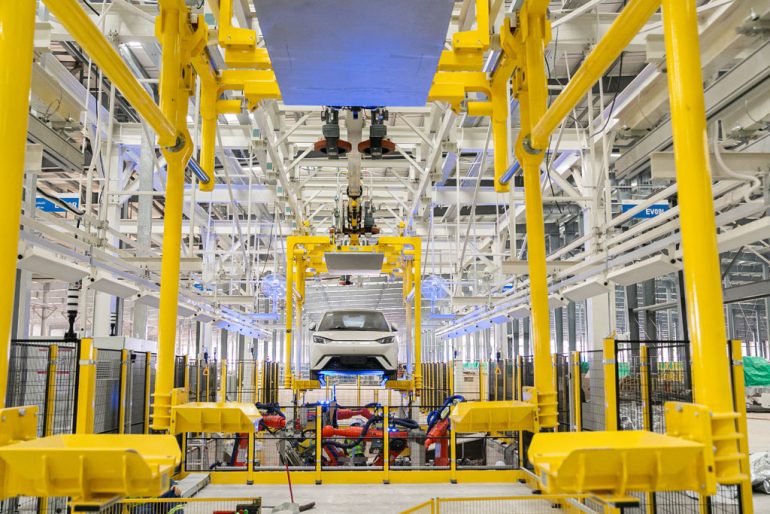
Canada could also be quietly setting the stage for a brand new chapter within the North American EV story, and it begins with a tariff change that has automakers paying shut consideration. As a part of a broader financial take care of China, Canada is transferring to decrease its levy on a restricted variety of Chinese language-built EVs from 100% down to six.1%. On paper, that could be a huge swing, and it instantly raises the apparent query: is Canada about to develop into the simplest entry level for Chinese language EVs to crack the continent?
Earlier than anybody imagines a sudden wave of cut-price EVs taking on the native Tim Hortons car parking zone, the positive print issues. The lowered fee is capped at 49,000 autos per yr, which is a small slice of Canada’s general new-car market. There’s additionally a longer-term pricing guardrail coming, with a requirement that by 2030, half of these eligible imports should carry MSRPs round $26,000 or much less, primarily pushing this system towards affordability as an alternative of premium area of interest fashions.
What’s fascinating is that the 49,000 determine just isn’t some random quantity that appeared out of nowhere. Canada was already importing autos from China at roughly that form of tempo earlier than the more durable tariff construction arrived. Essentially the most notable instance is Tesla, which introduced in about 40,000 China-built EVs in 2023, and types like Volvo and Polestar have additionally sourced sure autos from China for the Canadian market. Even past EVs, Canada has seen some sudden China-built fashions present up over time, which suggests the provision chain routes are already well-worn.
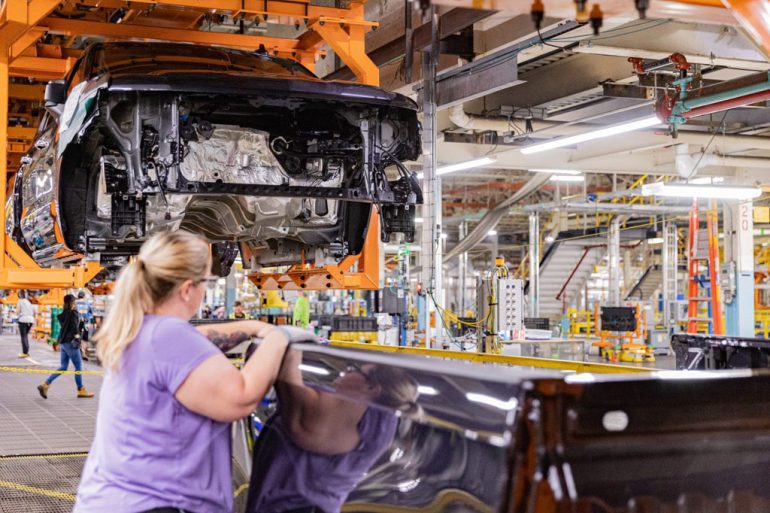
Nonetheless, even with the cap in place, the coverage shift is sufficient to make North American legacy gamers uneasy. GM CEO Mary Barra reportedly referred to as the tariff transfer a “slippery slope,” and you’ll perceive why. The auto trade throughout the U.S. and Canada is deeply intertwined, with components and elements typically crossing borders a number of occasions earlier than a car is completed. When commerce coverage nudges the associated fee construction in a single route, the ripple results can present up in the whole lot from manufacturing planning to the place corporations select to take a position long-term.
The larger, extra strategic angle right here won’t be about imports in any respect. A friendlier commerce relationship, even a restricted one, can create the form of surroundings the place a Chinese language automaker begins native manufacturing as the actual prize. Canada already has confirmed automotive infrastructure, and it has areas that may lean into clear power benefits, particularly provinces wealthy in hydroelectricity. If a model desires to construct credibility, keep away from political friction, and create jobs regionally, assembling autos on Canadian soil turns into an intriguing card to play.
Canada has additionally performed this “welcome mat” function earlier than. It has a historical past as a take a look at market the place new manufacturers and new concepts can get a foothold earlier than making a much bigger push. Many years in the past, Japanese and Korean manufacturers gained early traction in Canada in ways in which helped set the tone for broader North American success. If historical past rhymes, it’s not arduous to image Chinese language manufacturers testing the waters in choose Canadian markets, studying purchaser preferences, and refining their strategy.
Within the close to time period, the obvious winners would be the corporations already working inside established pipelines, like Tesla and Volvo, reasonably than brand-new entrants arriving in a single day. However the headline stays: Canada is warming up, even when it’s doing so cautiously. Whether or not this turns into a quick coverage footnote or step one towards a much bigger shift relies on how customers reply, how automakers react, and whether or not this managed opening turns into an extended runway for Chinese language-built EVs in North America.
FOLLOW US TODAY:

Mike Floyd is a finance govt by commerce and a automotive fanatic at coronary heart. As a CFO with a eager eye for element and technique, Mike brings his analytical mindset to the automotive world, uncovering recent insights and distinctive views that transcend the floor. His ardour for vehicles—particularly his favourite, the Porsche 911, fuels his contributions to Automotive Addicts, the place he blends a love for efficiency and design together with his skilled precision. Whether or not he’s breaking down trade traits or spotlighting rising improvements, Mike helps maintain the positioning each sharp and forward-thinking.