Volvo’s Tariff Squeeze Exhibits How Different Automakers Might Be Compelled to Construct Extra Autos in America : Automotive Addicts
Automotive
Volvo’s newest quarter reads like a snapshot of the strain many world automakers are actually going through within the U.S. market. The corporate mentioned first-quarter working revenue fell 16% to 1.6 billion Swedish crowns, or about $172.6 million, whereas U.S. gross sales dropped 32% and China gross sales fell 17%. Volvo additionally acknowledged it underestimated the affect of the lack of the U.S. EV tax credit score, particularly as a result of its plug-in hybrids had benefited closely from the now-removed $7,500 incentive.
What stands out most is Volvo’s response. As a substitute of chasing quantity with aggressive reductions, the corporate is making an attempt to carry onto premium pricing and defend margins, even when which means giving up some gross sales within the brief time period. That could be a dangerous transfer, but additionally a revealing one. It suggests Volvo believes the larger risk is not only weaker demand, however getting dragged right into a pricing struggle on the precise second tariffs, forex swings, and world instability are already making the enterprise tougher to handle. Value cuts have helped soften the blow to date, however Volvo has additionally made it clear that tariffs are altering the equation in a way more structural means.

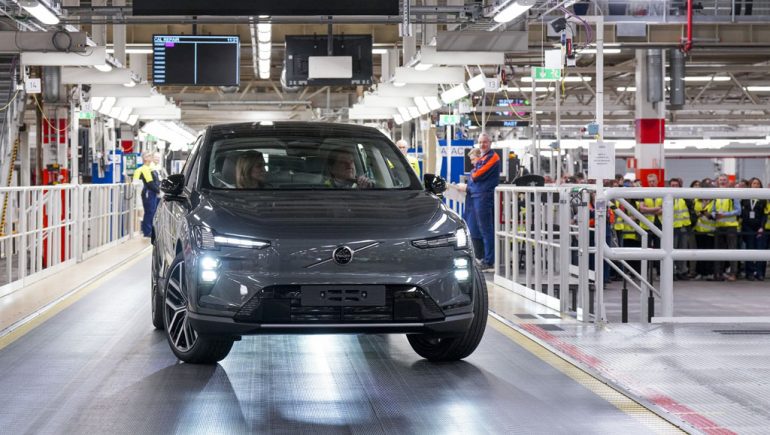
And that’s the place this story turns into larger than Volvo. The corporate plans to begin constructing the XC60 in South Carolina in late 2026, including native manufacturing past the EX90 already assembled there. That transfer appears much less like a one-off adjustment and extra just like the sort of play different automakers promoting imported automobiles in America might have to think about as tariff strain lingers. If importing key fashions turns into too costly, the plain resolution is to localize manufacturing, defend pricing energy, and scale back publicity to coverage swings that may wipe out margins virtually in a single day.
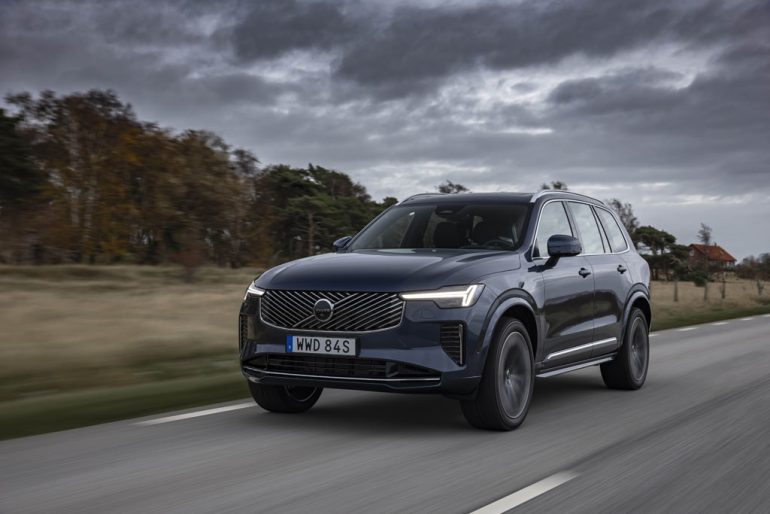
It isn’t onerous to think about different automotive firms in America making related selections. European and Asian manufacturers that rely closely on imported hybrids, EVs, or premium crossovers may face the identical alternative Volvo is going through now: take in the tariff ache, reduce costs and damage the model, or transfer extra manufacturing stateside. None of these choices is easy, however native meeting begins to look much more engaging when import prices rise and subsidies disappear. In that sense, Volvo may be one of many earlier examples of a broader pattern the place automakers more and more construct nearer to the shopper not only for logistics, however for survival.
The true takeaway right here is that tariffs don’t simply change sticker costs. They will reshape product plans, manufacturing facility technique, and even model positioning. Volvo is making an attempt to remain premium whereas adjusting its manufacturing footprint, and that balancing act might quickly grow to be acquainted throughout the trade. For automakers with a significant U.S. presence however an excessive amount of dependence on imported automobiles, Volvo’s playbook may find yourself trying much less like an exception and extra like the longer term.

Lloyd Tobias is a seasoned automotive journalist and passionate fanatic with over 15 years of expertise immersed on the planet of automobiles. Whether or not it’s exploring the most recent developments in automotive expertise or conserving an in depth pulse on breaking trade information, Lloyd brings a pointy perspective and a deep appreciation for all issues automotive. His writing blends technical perception with real-world enthusiasm, making his contributions each informative and fascinating for readers who share his love for the drive. When he’s not behind the keyboard or beneath the hood, Lloyd enjoys take a look at driving the most recent fashions and staying forward of the curve in an ever-evolving automotive panorama.