
In-Automotive Cameras Are Now Required in Europe as Driver Monitoring Debate Heads Towards the U.S. : Automotive Addicts

Automotive
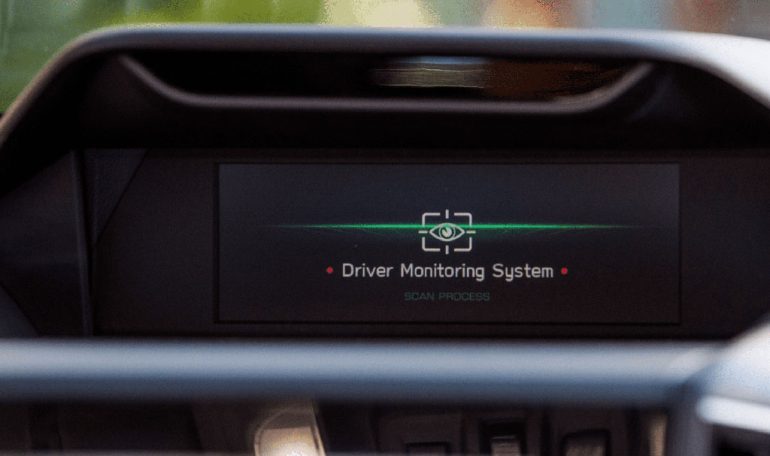
New automobiles offered within the European Union at the moment are required to incorporate superior driver-distraction warning expertise, and for a lot of fashions meaning an interior-facing digital camera watching the driving force. The purpose is straightforward sufficient: cut back crashes brought on by distraction, fatigue, or inattention. The controversy is simply as clear. Many drivers are usually not precisely thrilled in regards to the concept of a digital camera pointed at their face each time they get behind the wheel.
Driver-attention methods are usually not new. Loads of fashionable automobiles already monitor steering habits, lane place, eye motion, or head place to find out whether or not a driver could also be drained or distracted. The distinction right here is that the EU’s superior driver-distraction warning requirement pushes the expertise additional into necessary territory. Moderately than a delicate reminder after hours on the street, these methods are designed to actively detect when a driver is trying away, nodding off, or failing to concentrate.
From a security standpoint, the argument is straightforward to grasp. Distracted driving stays a serious downside, and a automobile that may warn a driver earlier than a harmful mistake occurs might assist forestall crashes. The EU can also be requiring different security upgrades, together with superior emergency braking methods that may detect pedestrians and cyclists, expanded security glass areas to raised defend susceptible street customers, and new testing requirements for worn tires. On paper, it’s all half of a bigger push to scale back street deaths.
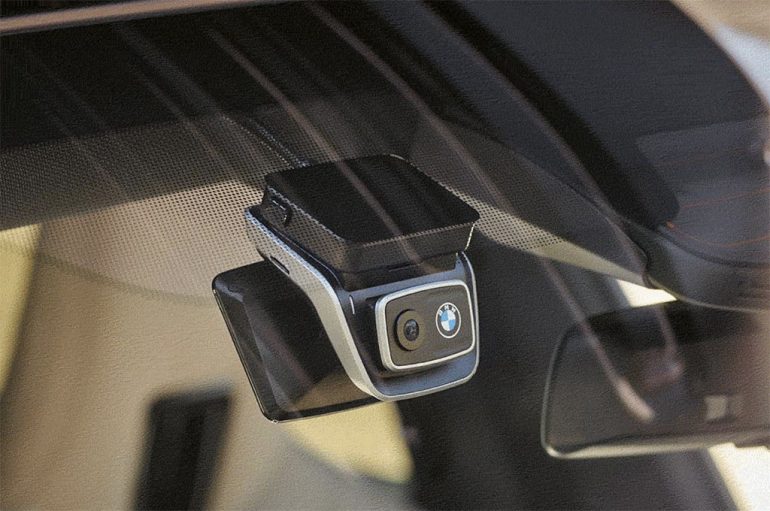
The privateness concern is the place issues get sophisticated. EU guidelines name for these driver-monitoring methods to function in a closed loop, which means the information ought to keep contained in the automobile moderately than being despatched to exterior servers. That sounds reassuring, however drivers have motive to be skeptical. Automakers have already confronted scrutiny for amassing and sharing driving habits information, together with info that might have an effect on insurance coverage charges. As soon as cameras and monitoring methods change into customary, the query turns into not simply what they’ll see, however who can entry that info later.
There’s additionally the associated fee aspect of the dialog. New automobiles are already dearer than ever, and each further mandated system provides {hardware}, software program, testing, and compliance prices. Cameras, sensors, processors, cybersecurity layers, and regulatory validation all need to be paid for someplace. Even when the expertise works as meant, consumers could really feel the impression in sticker costs, restore prices, and long-term possession complexity.
The US just isn’t there but, however it’s transferring in an identical course. A 2021 federal legislation requires new automobiles to ultimately embrace expertise geared toward stopping impaired driving, although regulators have acknowledged that passive intoxication-detection methods are usually not but prepared for mass-market use. Which will delay widespread cabin-monitoring mandates right here, but it surely in all probability is not going to cease them ceaselessly.
For now, Europe is giving the remainder of the world a preview of the place automobile security expertise is headed. The perfect model of this future is one the place vehicles genuinely assist forestall distracted and impaired driving whereas defending private information with strict safeguards. The worst model is a rolling surveillance system that raises prices and creates new privateness dangers. As automakers and regulators proceed down this path, the true problem shall be proving that security doesn’t have to come back on the expense of belief.

Mike Floyd is a finance government by commerce and a automotive fanatic at coronary heart. As a CFO with a eager eye for element and technique, Mike brings his analytical mindset to the automotive world, uncovering contemporary insights and distinctive views that transcend the floor. His ardour for vehicles—particularly his favourite, the Porsche 911, fuels his contributions to Automotive Addicts, the place he blends a love for efficiency and design along with his skilled precision. Whether or not he’s breaking down trade tendencies or spotlighting rising improvements, Mike helps hold the positioning each sharp and forward-thinking.