The Inconvenient Fact About Electrical Automobiles

Electrical Autos (EVs) are extensively celebrated as the way forward for sustainable mobility, however the environmental and social prices behind their manufacturing and use are sometimes missed. Whereas EVs cut back tailpipe emissions, their lifecycle — from useful resource extraction to disposal — raises vital ecological and moral questions.
Useful resource Extraction and Environmental Influence

The supplies powering EVs come at a heavy price. Batteries depend on lithium, cobalt, nickel and uncommon earth metals, usually sourced from international locations with weak environmental laws. Mining these sources is energy-intensive, disrupts native ecosystems and contaminates water provides. In areas just like the Democratic Republic of Congo, cobalt is incessantly mined beneath hazardous situations — typically involving underpaid or youngster labour. Even when dealt with responsibly, the extraction of those metals generates substantial waste, calling into query the true sustainability of EVs.

Producing EV batteries creates giant quantities of carbon dioxide, typically offsetting the decrease emissions generated throughout the car’s use. Estimates counsel manufacturing a mid-range EV can produce 11 to 14 tonnes of CO₂, factoring in each the automobile and its battery. The precise environmental influence is determined by the power combine the place the battery is produced. EVs charged with renewable power provide far higher advantages than these counting on coal or gas-fired grids. Nevertheless, EV batteries degrade over time, decreasing vary and efficiency. Recycling stays restricted and with out widespread infrastructure, retired batteries might change into hazardous waste. Even when recycled, the method consumes power and sources, highlighting the necessity for extra sustainable end-of-life options.

Moreover, a mass transition to EVs strains present electrical energy grids. Peak demand throughout charging may cause instability, significantly in areas with restricted infrastructure. In some instances, EV house owners depend on diesel-powered mills at charging hubs, decreasing the environmental features. The heavier weight of EVs — particularly bigger vans and SUVs — additionally accelerates street put on and damages infrastructure greater than typical automobiles, elevating upkeep prices.
Social Justice Issues & Sensible Limitations
Coverage incentives and company advertising usually overstate EV advantages, presenting them as a silver-bullet resolution to local weather change. With out contemplating broader environmental and social impacts, EV adoption can masks reasonably than clear up ecological issues. As talked about earlier, the pursuit of inexperienced mobility can exacerbate inequalities. Mining operations usually exploit susceptible communities, whereas the advantages from EV adoption are usually concentrated in wealthier areas. With out moral provide chains, the promise of sustainable transportation dangers turning into a burden for these least geared up to bear it.
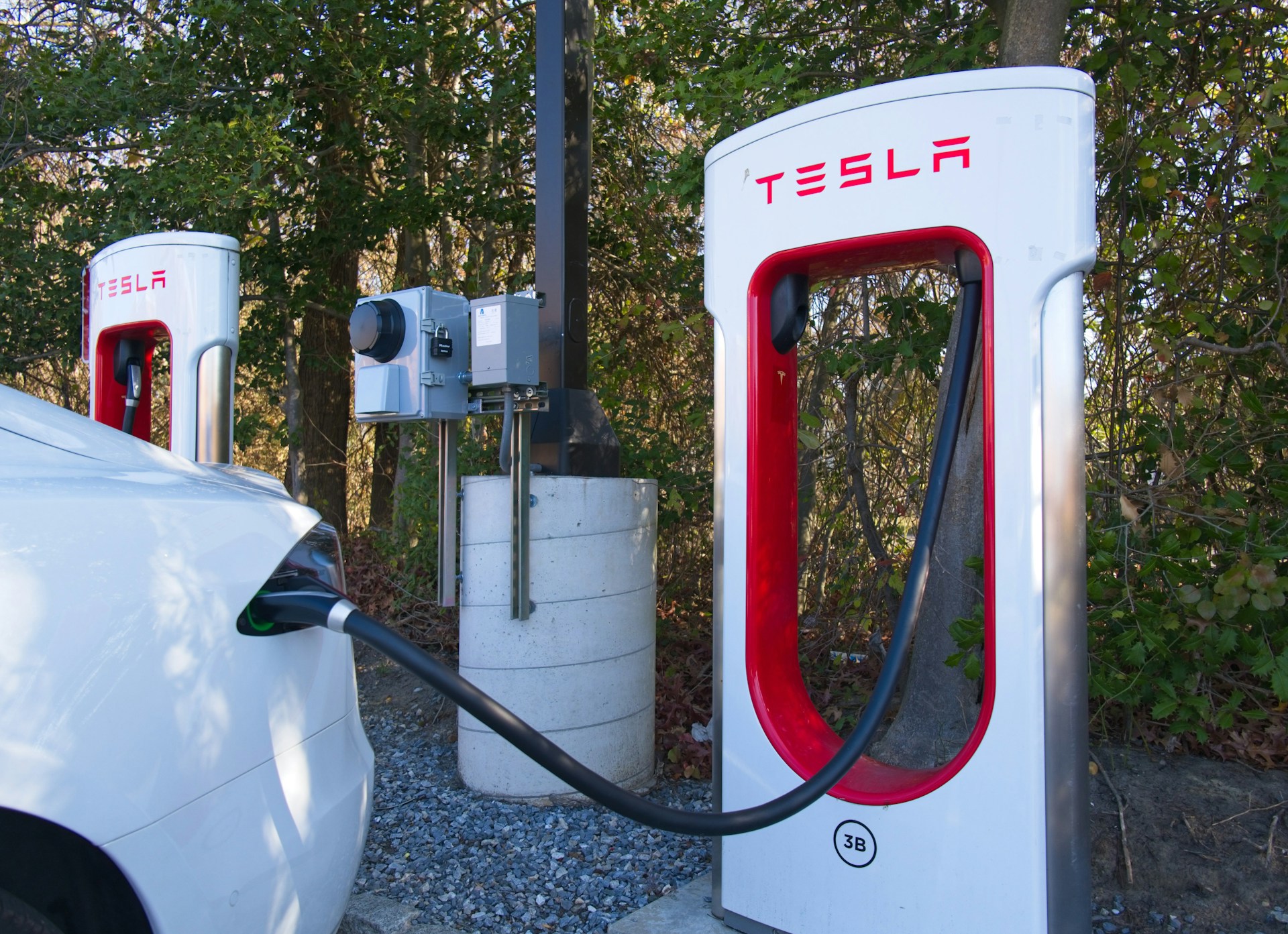
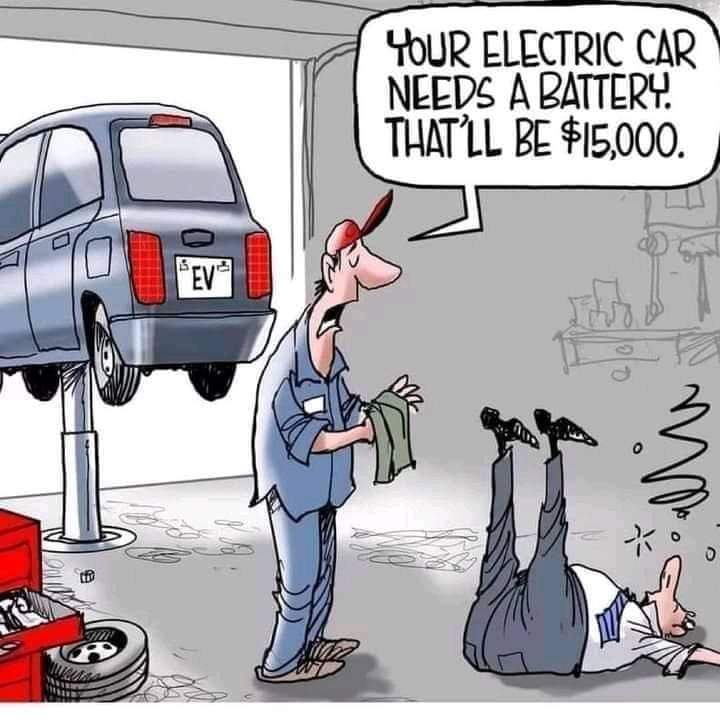
EVs stay costlier upfront than their inside combustion counterparts. Charging networks are uneven and long-distance journey will be gradual and nerve-racking resulting from restricted vary and inconsistent charging infrastructure. In chilly climate or beneath heavy load, real-world vary can drop by as much as 35 %. Battery substitute prices — which might attain USD 15,000 to USD 23,000 — add additional monetary issues for long-term possession.
EVs might cut back carbon emissions however enhance different types of air pollution. Heavier automobiles produce extra tire put on, producing microplastics that pollute air and water. Fires involving lithium-ion batteries require considerably extra water to extinguish than conventional gasoline fires and pose distinctive security hazards.
Alternate options and Commerce-Offs
Electrical Autos are just one piece of the transportation puzzle. Alternate options comparable to public transit, hydrogen gasoline cells, shared mobility and improved infrastructure might present more practical environmental returns in sure contexts. Assessing the true sustainability of EVs requires a full lifecycle perspective, from manufacturing and utilization to disposal. The inconvenient reality is evident: whereas EVs have an necessary function in decreasing emissions, they aren’t a panacea. Policymakers, producers and customers should confront the complete environmental, social and financial prices to make sure that the transition to electrical mobility is genuinely sustainable.
For extra on the most recent in luxurious motoring reads, click on right here.


